
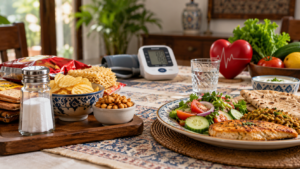
WHO recommends adults consume less than 5 grams of salt per day as excessive sodium intake is linked to high blood pressure, heart disease and stroke.
Excessive salt consumption can significantly increase the risk of high blood pressure, heart disease and stroke, according to the World Health Organization (WHO), which continues to urge people to reduce their daily sodium intake.
Sodium, a major component of table salt, is an essential mineral needed for normal body functions, including nerve transmission and maintaining fluid balance. However, consuming too much sodium can raise blood pressure and increase the risk of cardiovascular disease.
WHO recommends that adults consume less than 2,000 milligrams of sodium per day, equivalent to less than 5 grams of salt — around one teaspoon. Yet global average salt consumption remains more than twice the recommended level.
WHO estimates that around 1.7 million deaths were associated with excessive sodium consumption in 2023, highlighting the major public health impact of high-salt diets.
A significant amount of dietary sodium can come from processed and packaged foods, salty snacks, processed meats, sauces, instant foods and salt added during cooking or at the table.
Health experts therefore recommend limiting highly processed foods, checking food labels for sodium content and avoiding unnecessary additional salt to help reduce the risk of hypertension and cardiovascular disease.